Column · @collinyzag722
Children’s Urgent Dental Care With an Emergency Dentist in Plano, TX
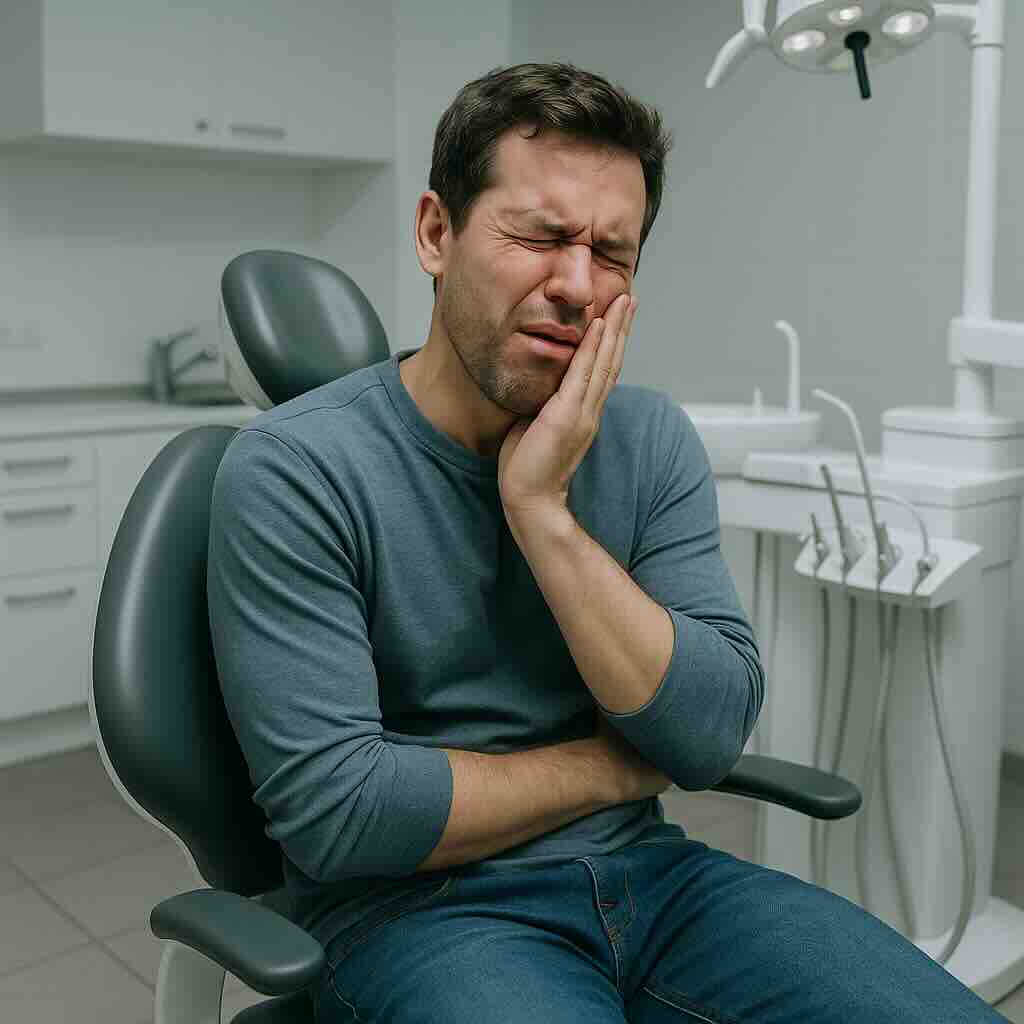
A child’s dental emergency rarely arrives at a convenient time. It happens on a Saturday soccer field, in the school cafeteria, during a roughhousing moment with siblings, or late at night when a minor toothache suddenly turns into sobbing and a swollen cheek. Parents often know right away that something is wrong, but they do not always know how serious it is, what can wait until morning, or whether they should head to an urgent dental visit immediately.
That uncertainty is normal. Pediatric dental problems can look dramatic even when they are manageable, and they can also appear mild while hiding a more urgent issue beneath the surface. A chipped front tooth may be mostly cosmetic, while a dull ache in the back of the mouth can signal infection or damage that needs prompt treatment. When children are involved, the stress level rises fast because pain, bleeding, fear, and the unknown all collide at once.
Working with an emergency dentist in Plano, TX can make those moments far more manageable. The goal is not simply to stop pain, though that matters. It is also to protect the tooth when possible, reduce the risk of infection, calm the child, and help parents make good decisions under pressure.
When a child’s dental problem becomes urgent
Not every dental issue qualifies as a true emergency, but some situations should move to the top of the day’s priority list. The clearest examples are visible trauma, significant pain, swelling, and uncontrolled bleeding. If a child falls face first onto a pool deck, gets hit by a baseball, or wakes up with one side of the face puffy and tender, those are not symptoms to watch casually for several days.
The harder calls tend to be the in-between situations. A loose baby tooth after a playground bump may not be serious if the child is in little pain and the area is not bleeding much. A cracked permanent tooth, on the other hand, deserves much faster attention, even if the child insists it “doesn’t hurt that bad.” Children are good at minimizing discomfort when they are scared, distracted, or eager to avoid a doctor’s office.
Pain that persists for more than a few hours, especially pain that worsens with chewing, temperature changes, or lying down, should be taken seriously. So should gum swelling, a pimple-like bump near a tooth, trouble closing the mouth normally, or a tooth that suddenly darkens after an injury. Those signs can point to internal damage that is not obvious from a quick glance in the bathroom mirror.
In practice, urgency often comes down to three questions. Is the child in significant discomfort? Is there visible damage, swelling, or bleeding? Is there a chance the problem could worsen quickly if ignored? If the answer is yes to any of those, calling an emergency dentist in Plano, TX is usually the right move.
The dental emergencies parents in Plano see most often
Children’s urgent dental visits tend to fall into a few familiar patterns. Sports injuries are high on the list, especially for school-age children and teens involved in baseball, basketball, football, soccer, gymnastics, and skateboarding. Front teeth are especially vulnerable because they take the brunt of falls and direct hits. Even with mouthguards, accidents still happen.
Cavities create another large share of emergency appointments. Decay does not always announce itself early. Many children function normally until the cavity reaches the inner portion of the tooth, where it can trigger sharp pain, sensitivity, or infection. Parents are often surprised because the child ate dinner, went to practice, and seemed fine, then could not sleep a few hours later.
Broken fillings, damaged crowns, objects stuck painfully between teeth, and bitten lips or tongues also bring families in quickly. Young children, especially toddlers, have an impressive ability to trip while holding toys, cups, or utensils, which can cause mouth injuries that look severe because oral tissues bleed heavily. The amount of blood can be alarming, even when the tooth itself is unharmed.
Orthodontic issues can become urgent too. A broken bracket is not always an emergency, but a wire poking deep into the cheek or gum can turn a routine evening into a miserable one. Teenagers are particularly likely to “wait it out” until irritation becomes real pain, so a quick intervention can save a lot of distress.
Baby teeth versus permanent teeth, why the distinction matters
One of the most important details in any pediatric dental emergency is whether the injured tooth is a baby tooth or a permanent tooth. That difference affects what should happen next.
Baby teeth matter more than many people assume. They help children chew comfortably, speak clearly, and hold space for adult teeth. Still, dentists usually handle trauma to baby teeth more conservatively than trauma to permanent teeth. If a baby tooth is knocked out completely, it is generally not replanted because doing so can damage the permanent tooth developing underneath. In that case, the child should still be seen promptly, but the management approach is different.
A knocked-out permanent tooth is a true time-sensitive emergency. The best outcomes happen when the tooth is handled properly and the child is seen as fast as possible. Even a delay of an hour can affect whether the tooth can be saved. This is one of the few situations where immediate action at home can make a major difference.
Parents often are not sure which tooth they are looking at, especially in the mixed dentition years when a child has both baby teeth and permanent teeth. Around ages 6 through 12, that confusion is common. A dentist can sort it out quickly, but if a front tooth in an older child or preteen has come out after trauma, it is safest to assume it may be permanent and seek urgent care right away.
What to do in the first few minutes
The first few minutes after a dental injury can feel chaotic, but calm, simple actions help. Children read the room quickly. If the adults are frantic, the child’s fear escalates. If the adults are focused and clear, the situation often becomes easier to manage.
Use this short response guide while arranging care:
- Control bleeding with clean gauze or a soft cloth and gentle pressure.
- Rinse the mouth carefully with water to clear blood and debris.
- Apply a cold compress on the outside of the face for swelling.
- If a permanent tooth has been knocked out, hold it by the crown, not the root, and keep it moist in milk or saline if possible.
- Call an emergency dentist in Plano, TX immediately for instructions and the earliest appointment.
A few details matter here. Bleeding from the lip or tongue can be dramatic, but a clean cloth with steady pressure often works well. If a tooth is chipped, try to save any large fragment and bring it along. If the child cannot tolerate rinsing because the area is too tender, do not force it. Comfort and transport matter more than a perfect at-home cleanup.
For pain, many parents reach for over-the-counter medicine, which can be appropriate when used according to age and dosing guidance. Aspirin should not be placed directly on the gum or tooth, a home remedy people still mention from time to time. It does not fix the cause and can irritate the tissue.
Situations that should not wait until next week
Dental issues have a way of sliding down the to-do list when the child seems better by morning. That can be a mistake. Some injuries briefly calm down before symptoms return with more intensity.
Prompt evaluation is wise in cases like these:
- A tooth that has been knocked out, pushed out of place, or loosened by trauma
- Swelling in the gums, jaw, or face, especially with pain or fever
- A cracked or broken permanent tooth with sensitivity or exposed inner structure
- Persistent toothache that interrupts sleep, eating, or normal activity
- Bleeding that does not stop after applying pressure for several minutes
Facial swelling deserves special respect. An untreated dental infection can spread beyond the tooth and gum. If a child has swelling plus fever, appears lethargic, has trouble swallowing, or has any breathing difficulty, that moves beyond routine dental urgency and may require immediate medical evaluation.
Another situation parents underestimate is a tooth that has changed color after a fall. A gray, brown, or darkening tooth can indicate internal damage to the nerve or blood supply. The child may have little pain, but the injury still needs professional assessment.
What an urgent pediatric dental visit usually involves
Parents often expect a chaotic emergency room atmosphere, but urgent dental visits are usually more structured than that. The team’s first job is to understand the child’s symptoms, the timing, and how the injury or pain began. A child who says, “It hurts everywhere,” often has one specific culprit that can be identified with a careful exam and a few targeted questions.
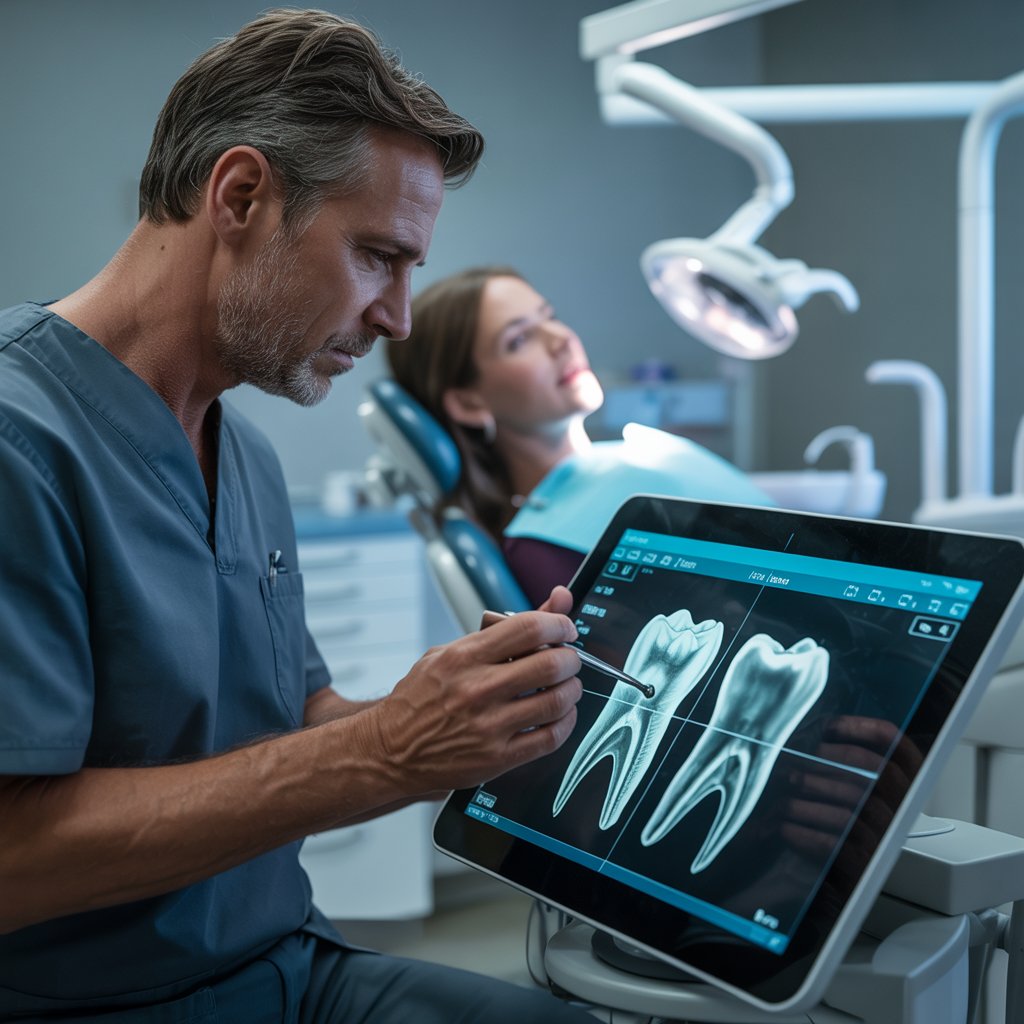
The dentist may take X-rays if the child can tolerate them. This is often essential because what shows on the outside of the tooth is only part of the story. A tooth may appear intact while the root is fractured, the tooth has shifted in the socket, or infection is brewing near the tip of the root. In younger children, X-rays also help the dentist assess how the injury might affect developing permanent teeth.
Treatment depends on the diagnosis. For a cavity-related emergency, the immediate goal may be to remove decay, place a temporary or final restoration, prescribe medication when truly indicated, or plan follow-up care such as a pulpotomy, pulpectomy, or extraction if the tooth cannot be saved. For trauma, the dentist may smooth a rough edge, bond a broken area, reposition a displaced tooth, place a splint, or monitor healing over time.
Pain control matters throughout the visit. Experienced pediatric dental teams know that a frightened child does not simply need technical care, but careful communication. The pace of the appointment often determines how successful it is. A provider who can explain each step in plain language, show the child what instruments do before using them, and involve the parent appropriately can turn a very hard visit into a manageable one.
The emotional side of urgent dental care for children
Parents usually focus on the physical injury first, which makes sense, but the emotional impact on a child should not be overlooked. Mouth injuries feel personal. Teeth affect appearance, speech, and comfort, and children know that. A seven-year-old with a chipped front tooth may be worried about pain one minute and school pictures the next. A teenager with facial swelling may be embarrassed, irritable, and scared all at once.
Children also tend to replay the event. The child who fell off a scooter may become hesitant to ride again. The child who got hit in the mouth during sports may become anxious before the next game. Good urgent care includes reassurance that is truthful, not dismissive. “You’re okay” is less useful than “Your tooth is hurt, but we are going to help it, and I’ll tell you what happens next.”
Parents can help by keeping their language concrete. Avoid dramatic guesses. Telling a Emergency dentist Plano, TX child, “You probably broke your whole tooth” before a dentist has examined it adds fear without adding useful information. Better phrasing sounds more like, “Your mouth got hurt, and we’re going to have the dentist check it right away.”
Why timing matters with dental infections
Trauma gets attention because it is visible, but infections are often the more deceptive problem. A cavity may have been present for months with no obvious signs, then suddenly flare. Once the nerve inside the tooth becomes inflamed or infected, children can move from mild complaint to significant pain quickly. The change can be especially abrupt overnight because blood flow shifts and pressure in the tissues feels more intense when lying down.
Infections in baby teeth are not harmless simply because the teeth will eventually fall out. An untreated abscess can damage surrounding bone, spread to nearby tissues, interfere with eating and sleeping, and in some cases affect the developing permanent tooth beneath it. Young children can also become dehydrated more easily if mouth pain makes them refuse fluids.
Antibiotics have a role in some cases, but they are not the whole answer. A source of infection inside a tooth generally requires dental treatment, not just medication. Parents are sometimes frustrated to learn that pain may recur even after an urgent prescription if the damaged tooth itself is not treated. That is not a failure of care, it is the biology of the problem.
The challenge of after-hours decisions
One practical issue for families is timing. Dental emergencies do not respect office hours. Many parents spend too much time online trying to determine whether they can wait. The better approach is usually to call. A dental team accustomed to urgent pediatric cases can ask focused questions and tell you whether the child should come in right away, be seen the next morning, or go to the emergency room due to swelling, fever, or possible facial injury beyond the teeth.
This is where access matters. Having a plan before something happens can save time and worry. Parents who know which emergency dentist in Plano, TX they would call are in a stronger position than parents trying to make that choice while holding gauze on a bleeding lip and calming a crying child.
It is also worth remembering that hospitals and urgent care centers are not always equipped to treat the tooth itself. They can be essential for severe trauma, facial injuries, or systemic symptoms, but many dental problems still need a dentist for definitive care. Knowing where each setting fits helps families move more efficiently.
Prevention helps, but it does not prevent everything
No parent can eliminate every dental emergency. Children are active, cavities can progress despite good intentions, and accidents happen in careful households too. Still, some preventive habits reduce the odds significantly.
A well-fitted sports mouthguard is one of the best examples. Store-bought versions offer some protection, but custom options usually fit better and are easier for children to wear consistently. Regular dental checkups matter for another reason, they catch cavities and weak spots before they erupt into urgent pain. This is particularly important for children who have a history of decay, deep grooves in the molars, enamel defects, or inconsistent brushing habits.
Diet also plays a role, though it is rarely one snack or one missed brushing that causes the crisis. More often, emergencies trace back to patterns. Frequent sipping on juice, sports drinks, or sweetened milk exposes teeth to repeated sugar and acid. Sticky snacks that cling to grooves in the molars raise the cavity risk. Children who snack constantly through the day do not give the mouth much time to recover between acid attacks.
Parents often feel guilty when an emergency stems from decay rather than trauma, but guilt is not useful. What matters is recognizing the pattern and adjusting the routine after the urgent problem is addressed.
Choosing the right emergency dental support for children
Not every office handles children in the same way, and not every office that treats children is equally comfortable with urgent care. Families should look for a practice that can combine clinical skill with steady chairside manner. Those are different strengths, and both matter.
A good emergency dental experience for a child usually includes prompt communication, clear guidance before arrival, a team that understands age-specific behavior, and a dentist who can explain options honestly. Sometimes the right answer is conservative monitoring. Sometimes it is immediate intervention. Good judgment means knowing the difference.
Plano families often value convenience, but convenience should not be the only factor. The office’s ability to evaluate trauma, treat infections, and make a frightened child feel safe is just as important. If your child has braces, special healthcare needs, high anxiety, or a history of difficult dental visits, that experience level becomes even more valuable.
What parents should remember in the moment
When a child is hurt or in pain, parents naturally want certainty right away. Dentistry does not always provide instant certainty, especially in trauma cases where a tooth may need follow-up visits to confirm how it is healing. What urgent care can do is stabilize the situation, relieve discomfort, and give the tooth its best chance.
The most helpful mindset is simple. Move promptly, stay calm, and let a qualified professional assess the problem. A child does not need a perfect parent in that moment. The child needs a steady one.
If you live locally, having the contact information for an emergency dentist in Plano, TX stored in your phone is one of those small preparations that can pay off quickly. You hope never to need it. If your child wakes with swelling, chips a permanent tooth at practice, or knocks out a front tooth during recess, you will be glad it is there.
Vitality Dental
1220 Coit Rd # 106, Plano, TX 75075, United States
+1 972-645-4100
FAQ About Emergency dentist Plano, TX
Will the ER do anything for dental pain?
An emergency department can assess urgent symptoms and provide medical stabilization. Definitive treatment of the tooth usually requires a dentist. Seek emergency medical care for breathing or swallowing difficulty, uncontrolled bleeding, or serious facial injury.
What to do if I have a dental emergency in the middle of the night?
Contact a dentist or after-hours dental service promptly for guidance. If a permanent tooth is knocked out, keep it moist in milk while seeking immediate care. If symptoms suggest a medical emergency, go to an emergency department.
What qualifies as a dental emergency?
A knocked-out permanent tooth, severe or persistent tooth pain, a significant dental injury, or swelling may require urgent dental assessment. Call a dentist to describe the symptoms and determine timing. Uncontrolled bleeding or difficulty breathing or swallowing requires emergency medical care.