Column · @collinyzag722
Emergency Dentist Plano, TX for Emergency Root Canal Treatment

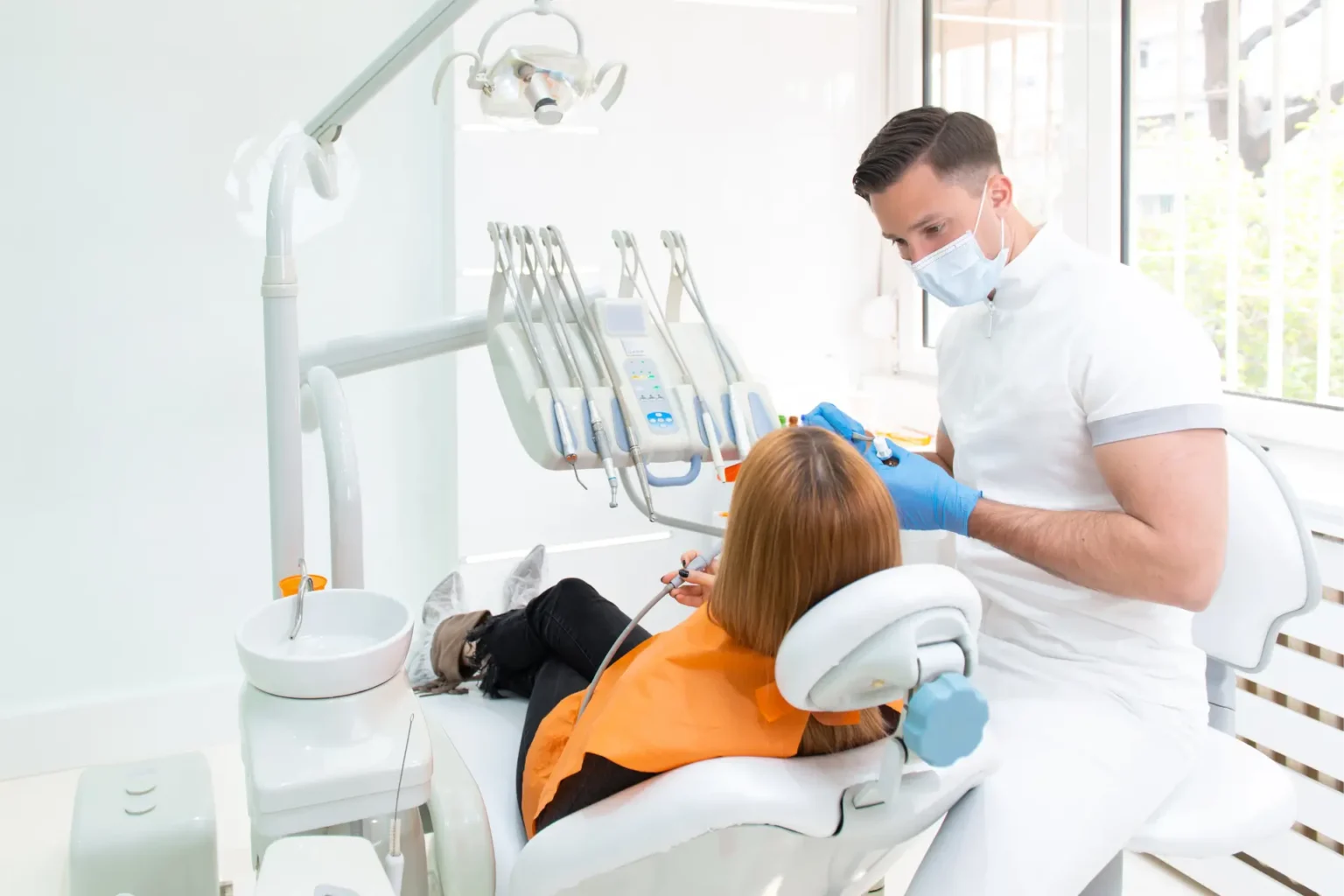
A tooth that needs an emergency root canal rarely whispers. It throbs, wakes people from sleep, radiates into the jaw, and turns a normal workday into a countdown until someone can help. By the time most patients start searching for an emergency dentist Plano, TX, they are not casually browsing. They are trying to figure out whether the pain can wait, whether the tooth can be saved, and how quickly a dentist can stop what feels like a crisis.
Emergency root canal treatment sits at the intersection of pain relief and tooth preservation. That matters, because severe tooth pain is not always just pain. In many cases, it signals inflammation or infection inside the pulp, the soft tissue in the center of the tooth where nerves and blood vessels live. Once that area becomes badly irritated or infected, no amount of rinsing, clove oil, or hoping for the best will reverse it. The goal becomes removing the damaged tissue, disinfecting the inside of the tooth, and sealing it so the infection does not keep spreading.
People often imagine root canals as a last resort. In practice, they are often the treatment that prevents a true last resort, which is extraction.
When tooth pain crosses into an emergency
Not every toothache calls for same-day care, but certain patterns should raise concern. Pain that is sharp, deep, constant, or triggered by biting often points to something more serious than a minor sensitivity issue. Swelling in the gum or face raises the stakes further. So does a bad taste in the mouth, especially if it comes and goes with pressure near the tooth. That can indicate drainage from an abscess.
A common story in the operatory goes like this. A patient felt a small ache with cold drinks for a few weeks, then one night the pain changed. It became spontaneous, stronger, and impossible to ignore. Over-the-counter medication took the edge off for a few hours, then stopped touching it. By morning, even air on the tooth hurt. That shift matters. It often means the pulp has moved from irritated to irreversibly inflamed, or that infection has taken hold.
Several symptoms tend to justify an urgent call:
- Severe tooth pain that lingers or pulses on its own
- Swelling in the gums, cheek, or jaw
- Pain when biting, especially if it feels like the tooth is raised
- Heat sensitivity that lingers long after the source is gone
- A pimple-like bump on the gum, or a foul taste that suggests drainage
If fever, spreading facial swelling, trouble swallowing, or difficulty opening the mouth enters the picture, the situation becomes more urgent. Those signs can point to a dental infection that is no longer contained to the tooth itself. At that stage, timing matters.
Why a root canal becomes necessary
Inside each tooth is a chamber and a set of root canals that contain pulp tissue. That tissue can become inflamed or infected for several reasons. Deep decay is the obvious one, but it is not the only cause. Cracked teeth, old failing fillings, repeated dental work on the same tooth, trauma from an accident, or even a hard bite that creates an unseen fracture can all lead to pulp damage.
One of the more frustrating cases is the tooth that looks fairly normal from the outside. The patient points to a molar with little visible decay, yet the pain is severe. Imaging and exam may reveal a crack extending into the tooth or infection near the root tip. Those are not dramatic to the naked eye, but they can produce dramatic symptoms.
The reason emergency care matters is simple. Once the pulp is badly infected, the body cannot reliably heal that space on its own because the tissue is enclosed within hard tooth structure. Pressure builds. Bacteria multiply. Pain escalates. The infection can then move beyond the root into the bone around the tooth.
Root canal treatment removes that source. In experienced hands, the procedure is less about "killing the nerve" and more about cleaning a contaminated internal system so the tooth can remain in the mouth and function normally again.
What an emergency dentist looks for first
At an emergency visit, the first question is not always "Can we do the full root canal today?" It is usually "What exactly is causing the pain, and is this tooth restorable?" Those are two different things.
A careful evaluation often includes a visual exam, percussion testing, bite testing, thermal testing, and X-rays. Sometimes a 3D scan is useful, especially when a crack is suspected or the anatomy is complex. The dentist is trying to sort through several possibilities that can feel similar to the patient. A cracked cusp, a severe cavity, acute pulpitis, a draining abscess, sinus pressure, and even clenching-related pain can overlap in sensation.
When the tooth is a candidate for saving, treatment may proceed the same day if time, swelling, anatomy, and the patient’s overall condition allow. In other cases, the emergency appointment focuses first on diagnosis, pain control, opening the tooth to relieve pressure, or placing medication inside the canal system before the final treatment is completed. That is still meaningful progress. For someone who has not slept, partial treatment that relieves pressure can feel life-changing.
The key point is that emergency dental care is not guesswork. It is triage with purpose. The dentist has to distinguish between a tooth that needs immediate endodontic treatment, a tooth that may need extraction, and a tooth that only mimics root canal pain.
What happens during emergency root canal treatment
Most patients are pleasantly surprised by the procedure itself. The pain leading up to the appointment is almost always worse than the treatment. Modern local anesthetics, improved rotary instruments, digital imaging, and better irrigation protocols have changed the experience dramatically compared with what many people remember from decades-old stories.
The procedure starts with numbing the area thoroughly. If the tooth is extremely inflamed, achieving Emergency dentist Plano, TX full anesthesia can take more finesse and sometimes more time. Lower molars in particular can be stubborn when the pulp is acutely hot. A skilled dentist or endodontist knows how to work through that with supplemental techniques rather than rushing.
Once the tooth is numb, the dentist isolates it, often with a rubber dam, to keep the field clean and dry. A small access opening is made through the top of the tooth. The infected or inflamed pulp tissue is removed from the chamber and canals. Fine instruments shape the canals while antibacterial solutions flush out debris and reduce the bacterial load. The canals are then filled with a biocompatible material and sealed. In many emergency situations, the tooth receives a temporary or buildup restoration first, with a full crown planned soon afterward, especially on back teeth that carry heavy chewing forces.
Molars usually need crowns after root canal treatment because they become more brittle over time and are at higher risk of fracture. Front teeth may not always need a crown if enough healthy structure remains, but they often require one when damage is extensive or esthetics are a concern.
Why timing matters more than most people think
Dental pain has a way of easing just enough to tempt people into waiting. That can be a costly mistake. When pain suddenly decreases, it does not always mean the problem improved. Sometimes it means the nerve tissue has died, and the infection has moved beyond the tooth. Patients then return days or weeks later with swelling instead of pain, which is not progress.
There is also a practical issue. Teeth become harder to save when cracks deepen, decay advances below the gumline, or infection destroys supporting bone. A tooth that might have been treated with a straightforward root canal and crown can shift into extraction and replacement territory if care is delayed too long. That replacement may involve a bridge, a partial denture, or an implant, each with higher cost, longer treatment time, and more biological trade-offs than preserving the natural tooth.
That is why people searching for an emergency dentist Plano, TX are usually doing the right thing by acting early. A same-day exam may not solve every problem instantly, but it often keeps a manageable dental emergency from turning into a bigger medical and financial one.
What to do before you reach the dental office
There are a few practical steps that help while you are waiting to be seen. These measures are not treatment, but they can reduce aggravation and help you avoid making the situation worse.
- Take over-the-counter pain medication only as directed on the label, unless your physician has told you otherwise
- Rinse gently with warm salt water if the area is sore or draining
- Avoid chewing on the painful side, especially hard or sticky foods
- Use a cold compress on the outside of the face if swelling is starting
- Do not place aspirin directly on the gum or tooth, which can burn the tissue
If you have facial swelling that is spreading quickly or any breathing or swallowing difficulty, do not sit at home trying home remedies. That moves beyond routine dental discomfort.
The difference between an emergency dentist and an endodontist
This question comes up often, especially in urgent situations. An emergency general dentist is usually the first point of contact. That office can evaluate the problem, take X-rays, determine whether the tooth is restorable, prescribe medication when appropriate, and in many cases perform the root canal the same day. An endodontist is a specialist whose practice focuses heavily on root canal therapy, retreatment, and complex tooth pain diagnosis.
The best option depends on the case. A front tooth with straightforward anatomy may be handled efficiently by an experienced general dentist. A calcified molar with curved roots, significant swelling, or prior root canal treatment may be better referred to an endodontist. There is no hierarchy in that distinction, just case selection. Good emergency care means knowing when to treat and when to refer.
For patients, what matters most in the moment is access, diagnosis, and a realistic plan. Pain does not care about specialty titles. It cares whether the right clinician can see you soon, identify the source, and start treatment.
Will you need antibiotics?
Sometimes yes, often no. This surprises people. Antibiotics are not a substitute for root canal treatment because they do not remove infected pulp tissue from inside the tooth. If the infection is localized and drainage is possible through the tooth, treatment of the source is what solves the problem. Antibiotics become more appropriate when there is diffuse swelling, fever, spread into surrounding tissues, or certain medical risk factors.
Overprescribing antibiotics for tooth pain is not good medicine. It can create side effects, contribute to resistance, and delay the real treatment people need. A thoughtful dentist uses them when the situation calls for them, not automatically.
What recovery usually feels like
Most people feel better quickly once the pressure and infected tissue are removed. That does not mean the tooth feels perfect by dinnertime. It is common to have soreness for a few days, especially when biting. The surrounding ligament, the structure that cushions the tooth in the bone, can remain irritated from the inflammation that was already there.
That soreness usually responds to routine pain relievers and a softer diet for a short period. What patients often notice first is not that the tooth feels completely normal, but that the relentless, deep, spontaneous pain is gone. That is a major difference.
If a temporary filling was placed, follow-up matters. Delaying the final restoration invites leakage and fracture, which can compromise all the work that was just done. This is one of the most common avoidable mistakes after emergency endodontic treatment. The root canal fixes the inside of the tooth. The final restoration protects the outside.
Cost, insurance, and the real financial picture
Costs vary with the tooth involved, the complexity of the canals, whether you need specialist care, and what type of restoration follows. A front tooth root canal is generally less complex than a molar, and a molar crown usually adds another significant piece to the total treatment plan. Dental insurance may cover a portion, but benefits vary widely and annual maximums often run out faster than patients expect.
The more honest financial conversation is not root canal versus nothing. It is root canal and crown versus extraction and replacement. When a tooth is restorable, saving it is frequently the better long-term value, even if the upfront bill feels substantial. Extracting first and deciding later can lead to drifting teeth, bite changes, chewing problems, and the higher cost of replacement options.
That said, there are edge cases where extraction is the wiser decision. A tooth with a vertical root fracture, severe periodontal loss, non-restorable decay below bone, or very little remaining structure may not be a good investment for root canal treatment. The right answer depends on prognosis, not wishful thinking.
Choosing the right office when time is short
When people are in pain, they often search quickly and call the first number they see. That is understandable, but a two-minute screening call can tell you a lot. Ask whether the office handles same-day dental emergencies, whether they perform root canals in-house, what imaging they use, and whether they can discuss estimated fees before treatment begins. A well-run front desk can usually explain the process clearly without overpromising.
Look for signs of practical competence rather than flashy marketing. Extended hours, room in the schedule for urgent cases, digital diagnostics, and straightforward communication matter more than polished slogans. In my experience, patients remember two things most after a dental emergency: how quickly someone took their pain Emergency dentist Plano, TX seriously, and whether the plan made sense once they were in the chair.
That is especially relevant in a growing area like Plano, where people have options but may not know which office is equipped for true urgent care. An emergency dentist Plano, TX should be able to do more than hand out pain advice. The office should be prepared to diagnose decisively and either treat the tooth promptly or coordinate referral without delay.
Why some root canal emergencies happen after hours
Tooth pain has an uncanny habit of escalating at night, on weekends, or before travel. That is not your imagination. Lying down can increase the sense of pressure in an inflamed tooth, and fewer distractions make pain harder to ignore. People also tend to clench more when stressed or asleep, which can aggravate an already compromised tooth.
This is where after-hours availability or a clear emergency protocol makes a real difference. Even if full treatment waits until the next morning, guidance from a dentist can help you manage symptoms safely and know whether your situation needs urgent attention before the office opens.
A patient with deep swelling under the jaw is not the same as a patient with a strong but localized toothache. Good triage recognizes that distinction and directs each person to the right level of care.
The goal is not just to stop pain, but to keep the tooth
Emergency dentistry is often viewed through the narrow lens of pain relief. Pain relief is essential, but it is not the whole story. A successful emergency root canal should also preserve function, protect the bite, and keep future treatment simpler. Natural teeth still do a better job of sensing pressure and maintaining chewing patterns than artificial replacements. When a tooth can be predictably saved, that usually serves the patient well.
There is a certain relief that comes when patients realize the problem has a name and a plan. The worst part of a dental emergency is often uncertainty. Once the diagnosis is clear, decisions become practical. Is the tooth savable? Can treatment begin now? What will it need afterward? Those questions have answers.
If you are dealing with escalating tooth pain, swelling, or a tooth that has become impossible to chew on, waiting rarely improves the outcome. Prompt evaluation by an emergency dentist Plano, TX can mean the difference between a straightforward root canal and a much bigger problem. The sooner the source is identified, the better the odds of saving the tooth and getting your life back to normal without unnecessary delay.
Vitality Dental
1220 Coit Rd # 106, Plano, TX 75075, United States
+1 972-645-4100
FAQ About Emergency dentist Plano, TX
Will the ER do anything for dental pain?
An emergency department can assess urgent symptoms and provide medical stabilization. Definitive treatment of the tooth usually requires a dentist. Seek emergency medical care for breathing or swallowing difficulty, uncontrolled bleeding, or serious facial injury.
What to do if I have a dental emergency in the middle of the night?
Contact a dentist or after-hours dental service promptly for guidance. If a permanent tooth is knocked out, keep it moist in milk while seeking immediate care. If symptoms suggest a medical emergency, go to an emergency department.
What qualifies as a dental emergency?
A knocked-out permanent tooth, severe or persistent tooth pain, a significant dental injury, or swelling may require urgent dental assessment. Call a dentist to describe the symptoms and determine timing. Uncontrolled bleeding or difficulty breathing or swallowing requires emergency medical care.