Column · @collinyzag722
How to Prevent Future Visits to an Emergency Dentist in Plano, TX
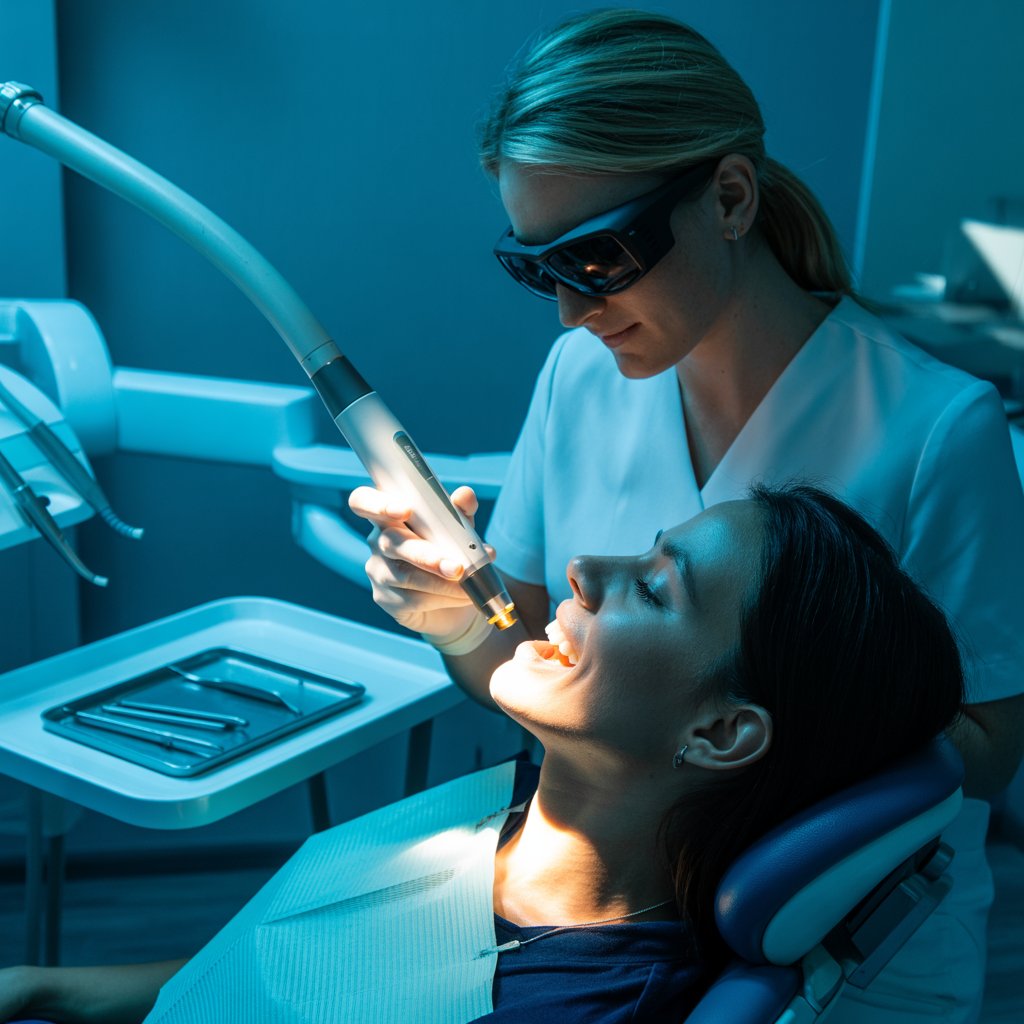
A true dental emergency rarely starts as an emergency. Most of the time, it begins as something small that was easy to dismiss, a little sensitivity on one side, a rough spot on a filling, a skipped cleaning, a cracked night guard sitting in a bathroom drawer. Then life gets busy. A week becomes three months. One cold drink starts to sting. A sore gumline turns into swelling. Before long, you are searching for an emergency dentist in Plano, TX and hoping you can be seen the same day.
That pattern is common because teeth and gums are good at giving quiet warnings before they fail loudly. The practical goal is not just to avoid pain. It is to reduce the chance of broken teeth, infections, expensive unplanned treatment, missed work, and the stress that comes with trying to fix a dental problem under pressure.
Preventing dental emergencies is rarely about one perfect habit. It is usually about a series of ordinary decisions that protect weak points before they become urgent. Some of those decisions take two minutes a day. Others involve timing, such as not waiting six months to address a symptom that appeared six weeks ago. The details matter more than people realize.
Most emergencies have a backstory
When patients need urgent care, the immediate issue may be a fractured crown, a painful abscess, or a broken tooth after biting down on something hard. But the cause often goes back much further. A cavity that stayed small and painless for too long reaches the nerve. Clenching and grinding create microscopic cracks, then one day a cusp breaks off during lunch. Gum disease progresses quietly until a tooth becomes loose or an infection flares.
That is why prevention has to be practical rather than dramatic. You do not prevent emergencies by thinking only about worst-case scenarios. You prevent them by catching ordinary dental problems while they are still cheap, simple, and less painful to treat.
Plano patients often juggle long commutes, youth sports, business travel, and crowded schedules. In real life, dental care competes with everything else. The challenge is not understanding that oral health matters. The challenge is building a routine that survives a full calendar.
The small symptoms people wait too long to fix
There are a few complaints that almost always deserve attention sooner rather than later. Sharp pain when biting can mean a crack, a failing filling, or inflammation around the root. Temperature sensitivity that lingers after hot coffee or ice water can point to enamel wear, decay, gum recession, or a nerve issue. Bleeding gums may seem harmless, but persistent bleeding usually means inflammation, and inflamed tissue is easier to infect and harder to maintain.
A rough edge on a tooth deserves respect too. Sometimes it is only minor wear. Sometimes it is the first sign that a restoration has chipped or that the tooth itself has fractured. If your bite suddenly feels different, that matters. Teeth do not usually shift overnight without a reason. It could be swelling, a cracked tooth, grinding damage, or a restoration that has loosened.
One of the more expensive mistakes people make is confusing absence of pain with absence of disease. Many serious dental problems do not hurt much at first. The body often adapts until it can no longer compensate.
Why prevention is often cheaper than waiting
Dental emergencies tend to be expensive not only because urgent appointments cost time and resources, but because late-stage problems usually need bigger treatment. A cavity addressed early may require a straightforward filling. The same tooth months later may need a crown. If the nerve becomes involved, root canal treatment may enter the picture. If the tooth cannot be saved, then you are discussing extraction and replacement options.
The financial jump can be steep, but the hidden costs are just as frustrating. Lost sleep, missed meetings, trouble eating, temporary antibiotics, childcare rearrangements, and the stress of finding immediate care all add up. Prevention is not merely a wellness message. It is a scheduling and budgeting strategy.
This is one reason regular exams and cleanings still matter, even for adults who brush faithfully and rarely get cavities. Home care is essential, but it does not replace professional evaluation. Dentists catch things patients cannot easily see, including failing margins around old fillings, early gum pockets, bite wear, and signs of grinding.
The habits that matter more than people think
Brushing twice a day is not controversial advice, but technique matters as much as frequency. Aggressive brushing with a hard-bristled brush can wear down enamel near the gumline and contribute to recession. That sets up sensitivity and root exposure, both of which create future problems. A soft-bristled brush and two careful minutes do more good than scrubbing hard for thirty seconds.
Flossing is another area where consistency beats intensity. The people who get into trouble are often not those who never floss, but those who floss in bursts right before a visit, then stop. Inflammation likes inconsistency. Daily cleaning between teeth reduces the bacterial buildup that leads to decay between contacts and chronic gum irritation.
Fluoride helps more adults than many realize. It is not just for children. Adults with dry mouth, recession, high cavity risk, orthodontic retainers, crowns, or a history of frequent fillings often benefit from fluoride toothpaste or a prescription-strength product. If you are seeing repeat decay around existing dental work, that is worth discussing instead of assuming it is bad luck.
Hydration plays a quiet but meaningful role. Saliva protects teeth by buffering acids and helping remineralize enamel. People who breathe through their mouth, take medications that reduce saliva, or sip coffee and sweet drinks all day can end up with a much drier mouth than they realize. Dry mouth is not only uncomfortable. It is a genuine cavity risk.
Plano lifestyle factors that can increase emergency risk
Local patterns matter. In a place like Plano, a lot of adults live on coffee, sparkling water, sports drinks, and grab-and-go snacks. None of these automatically cause emergencies, but repeated acid exposure and frequent snacking create an environment where enamel does not get much recovery time. Sipping acidic drinks over several hours is harder on teeth than drinking one beverage with a meal and then switching to water.
Youth athletics and adult recreational sports also increase trauma risk. Basketball elbows, softball collisions, and even accidental contact during backyard games can chip or dislodge teeth. Mouthguards are underused outside organized school sports, but they prevent more damage than people expect. For teens with braces or adults with cosmetic work, the benefit is even greater.
Another factor is stress. Many professionals clench during the day without noticing it. The signs can be subtle, jaw fatigue, tension headaches, flattened chewing surfaces, tiny craze lines, or soreness in the morning. Over time, that pressure can crack teeth, loosen dental work, and create the kind of sudden break that sends someone to an emergency dentist in Plano, TX.
Night grinding is one of the biggest emergency triggers
Bruxism, or grinding and clenching, is responsible for a surprising number of urgent visits. Patients often assume a broken tooth must have been caused by one hard bite, but in many cases the tooth had already been weakened by months or years of pressure. The final bite was just the last straw.
A custom night guard can make a real difference, especially for people who wake with jaw tightness or have visible wear. The custom part matters. Over-the-counter guards can be better than nothing in some situations, but poorly fitted appliances may feel bulky, trigger more clenching, or fail to distribute pressure correctly. If a dentist has already pointed out grinding wear, delaying a guard tends to cost more later.
Grinding also affects restorations. Old fillings, veneers, crowns, and bonded edges can chip under chronic force. Cosmetic work looks strong, but it still depends on what the bite is doing every night. Protecting those restorations is part of protecting your wallet.
Food choices can prevent cracks and broken dental work
People usually think of sugar first when discussing dental problems, and sugar absolutely matters for decay. But some dental emergencies have more to do with force than with sweetness. Ice chewing is a common offender. So are unpopped popcorn kernels, hard candy, pistachio shells, and using teeth as tools to open packages. Every dentist has heard some version of, “It was just one bite.”
Teeth with large fillings are more vulnerable than untouched teeth. They may function well for years, but structurally they are not the same as a pristine tooth. If you have older, extensive restorations, it helps to treat those teeth with a little more respect. That may mean avoiding very hard foods on one side or replacing worn restorations before they fail unexpectedly.
Sticky foods create a different kind of trouble. Caramel, taffy, and chewy candies can pull off loose crowns or stress weakened fillings. If you already know a crown feels slightly off or a filling has rough edges, sticky foods can turn a manageable repair into a same-day problem.
Children and teens need a different prevention strategy
Parents often assume dental emergencies in children come mostly from cavities, but trauma is just as common. Bikes, trampolines, scooters, playgrounds, and sports all create opportunities for chipped or avulsed teeth. Prevention for kids is not just about brushing supervision. It includes helmets, mouthguards when appropriate, and timely treatment of small chips before they become larger fractures.
Orthodontic patients have their own risk profile. Brackets and wires make cleaning harder, which increases the chance of decalcification and gum inflammation. They also create rough points that can injure soft tissue when something bends or breaks. Regular check-ins and prompt adjustment of broken orthodontic components prevent minor problems from escalating.
Teenagers who sip energy drinks while wearing aligners or retainers are another group worth mentioning. Trapping sugary or acidic liquid against the teeth is a setup for rapid enamel damage. Water should be the default when appliances are in place.
The role of regular exams, and why timing matters
There is no single perfect schedule for every Emergency dentist Plano, TX vitalitydentaldfw.com patient, but many adults do well with exams and cleanings every six months. Others, especially those with periodontal disease, heavy tartar buildup, dry mouth, frequent decay, diabetes, or a history of extensive dental work, may need more frequent visits. The right interval depends on risk, not habit alone.
A six-month delay sounds small until you consider how quickly some issues progress. A minor crack can deepen. A small cavity between teeth can spread where you cannot see it. A gum pocket can worsen with very few obvious symptoms. Preventive care works best when it is timed to your biology, not just your insurance cycle.
This is where a relationship with a local dental office helps. If your dentist knows your history, your restorations, and your risk factors, they can often spot changes early and advise accordingly. Preventing urgent care is easier when someone has a baseline for what your mouth looked like six or twelve months ago.
When restorative work should be updated before it fails
Many people keep old crowns and fillings until something breaks. Sometimes that is reasonable. Sometimes it is not. Restorations age, margins wear, cement weakens, and recurrent decay can sneak in underneath. The fact that a crown has lasted fifteen years does not mean it is safest to wait for year sixteen to reveal a problem at 2 a.m. On a Saturday.
A restoration may need attention if food repeatedly traps around it, floss shreds at the margin, the area becomes sensitive, or your dentist sees wear, leakage, or fracture lines on imaging or exam. Replacing compromised work on your schedule is almost always preferable to replacing it in pain.
There is judgment involved here. Not every old filling needs to come out, and overtreatment serves no one. But ignoring obvious wear to avoid a planned appointment often leads to a more invasive unplanned one.
Gum health is not separate from emergency prevention
Dental emergencies are often associated with teeth, but gums and supporting bone are just as important. Periodontal disease can progress quietly until a tooth becomes mobile, an abscess forms, or chewing becomes uncomfortable. At that point, treatment is more complex and the prognosis may be worse.
Persistent bad breath, bleeding while brushing, tenderness when flossing, and gums that seem to be receding are not cosmetic nuisances. They are signs that the tissue environment needs attention. Patients sometimes focus heavily on cavity prevention while overlooking gum disease, yet advanced periodontal problems can create some of the most difficult urgent situations.
If you have been told you need deeper periodontal maintenance, keeping those visits matters. It is not just another cleaning. It is risk control.
What to do the moment a minor issue appears
The way you respond in the first 48 hours can determine whether a small problem stays small. If a filling feels loose, do not chew on that side while waiting. If a crown comes off, keep it clean and call promptly instead of testing whether it can “hold out” a few weeks. If you chip a tooth and there is no pain, that is still worth evaluation because the visible chip may not show the full extent of the damage.
Swelling is especially important. Facial swelling, gum swelling, or a pimple-like bump near a tooth can indicate infection. Those situations deserve timely professional attention because dental infections do not reliably resolve on their own. Pain that wakes you up at night is another signal that should move faster on your calendar.
One sensible home rule is this: if a dental symptom changes your chewing, sleeping, or temperature tolerance for more than a day or two, stop monitoring it casually and make the call.
A realistic prevention routine for busy adults
Perfection is not required. Consistency is. For most adults, the best protection comes from keeping a short list of non-negotiables and doing them even during chaotic weeks.
- Brush twice daily with a soft-bristled brush and fluoride toothpaste.
- Clean between the teeth once a day, with floss or another tool your dentist has recommended.
- Keep regular exams and cleanings based on your risk level, not only when pain appears.
- Address sensitivity, rough edges, loose dental work, or bite changes early.
- Use protection when needed, such as a night guard for grinding or a mouthguard for sports.
That routine is simple on paper, but it works because it covers the main pathways to urgent treatment: decay, gum disease, fracture, and trauma.
The value of having a plan before you need one
One practical way to reduce emergency stress is to know where you would go before an urgent problem happens. That means having a regular dental home, understanding office hours, and asking how after-hours issues are handled. If you are new to the area or recently moved within Collin County, establishing care before a problem starts is worth the effort.
Searching for an emergency dentist in Plano, TX while in pain is not ideal. You are making decisions quickly, often with incomplete information, and possibly outside normal office hours. Patients who already have a trusted dentist usually get triaged faster and with better continuity because the office knows their history and can compare current findings with past records.
Preparation also means understanding your own dental weak points. If you have a history of cracked molars, that should shape your habits. If dry mouth has caused frequent cavities, your prevention plan should focus heavily there. Generic advice helps, but tailored prevention works better.
Where prevention becomes personal
Two people can brush and Emergency dentist Plano, TX floss equally well and still have very different emergency risk. One has a history of large fillings and stress-related clenching. Another has excellent enamel but severe dry mouth from medication. A teenager in braces has different vulnerabilities than a retired adult with implants. Good prevention is specific.
That is why the most effective approach combines home care with professional pattern recognition. Over time, dentists see what tends to go wrong in your mouth. Maybe your lower molars show fracture lines. Maybe your gum recession is accelerating. Maybe your old bonding stains and chips easily. Those observations are not minor notes in a chart. They are the roadmap for avoiding a future crisis.
The best preventive dentistry feels almost uneventful. Nothing dramatic happens. A cracked restoration gets replaced before it breaks. A grinding habit gets managed before a tooth splits. A cavity gets filled before the nerve becomes involved. You spend a little time now so you do not spend a painful weekend later trying to solve an avoidable problem fast.
For anyone hoping to avoid another urgent visit, that is the real objective. Not a perfect mouth, not flawless compliance, just fewer surprises, fewer setbacks, and fewer moments when dental care suddenly becomes the only thing that matters.
Vitality Dental
1220 Coit Rd # 106, Plano, TX 75075, United States
+1 972-645-4100
FAQ About Emergency dentist Plano, TX
Will the ER do anything for dental pain?
An emergency department can assess urgent symptoms and provide medical stabilization. Definitive treatment of the tooth usually requires a dentist. Seek emergency medical care for breathing or swallowing difficulty, uncontrolled bleeding, or serious facial injury.
What to do if I have a dental emergency in the middle of the night?
Contact a dentist or after-hours dental service promptly for guidance. If a permanent tooth is knocked out, keep it moist in milk while seeking immediate care. If symptoms suggest a medical emergency, go to an emergency department.
What qualifies as a dental emergency?
A knocked-out permanent tooth, severe or persistent tooth pain, a significant dental injury, or swelling may require urgent dental assessment. Call a dentist to describe the symptoms and determine timing. Uncontrolled bleeding or difficulty breathing or swallowing requires emergency medical care.